Sergey Bogaev died on 2 June 2011. Three days later his friends posted on his VKontakte page the text of an obituary signed by Andrey Tropillo ("on behalf of Sergey Bogaev's family and friends, and of the musicians of St Petersburg, Arkhangelsk and Russia"). Below is a retelling with short quotations. Opinions that belong to the author alone are marked "according to Tropillo"; they cannot be checked against documents, and this site does not assert them as facts.
What is stated as fact
- Bogaev died on 2 June 2011 in St Petersburg "in his 50th year" of acute cardiomyopathy. According to the text, the death was announced with regret by the Culture Committee of the St Petersburg Government, the Sergey Kurekhin Centre for Contemporary Art and the production centre "AnTrop".
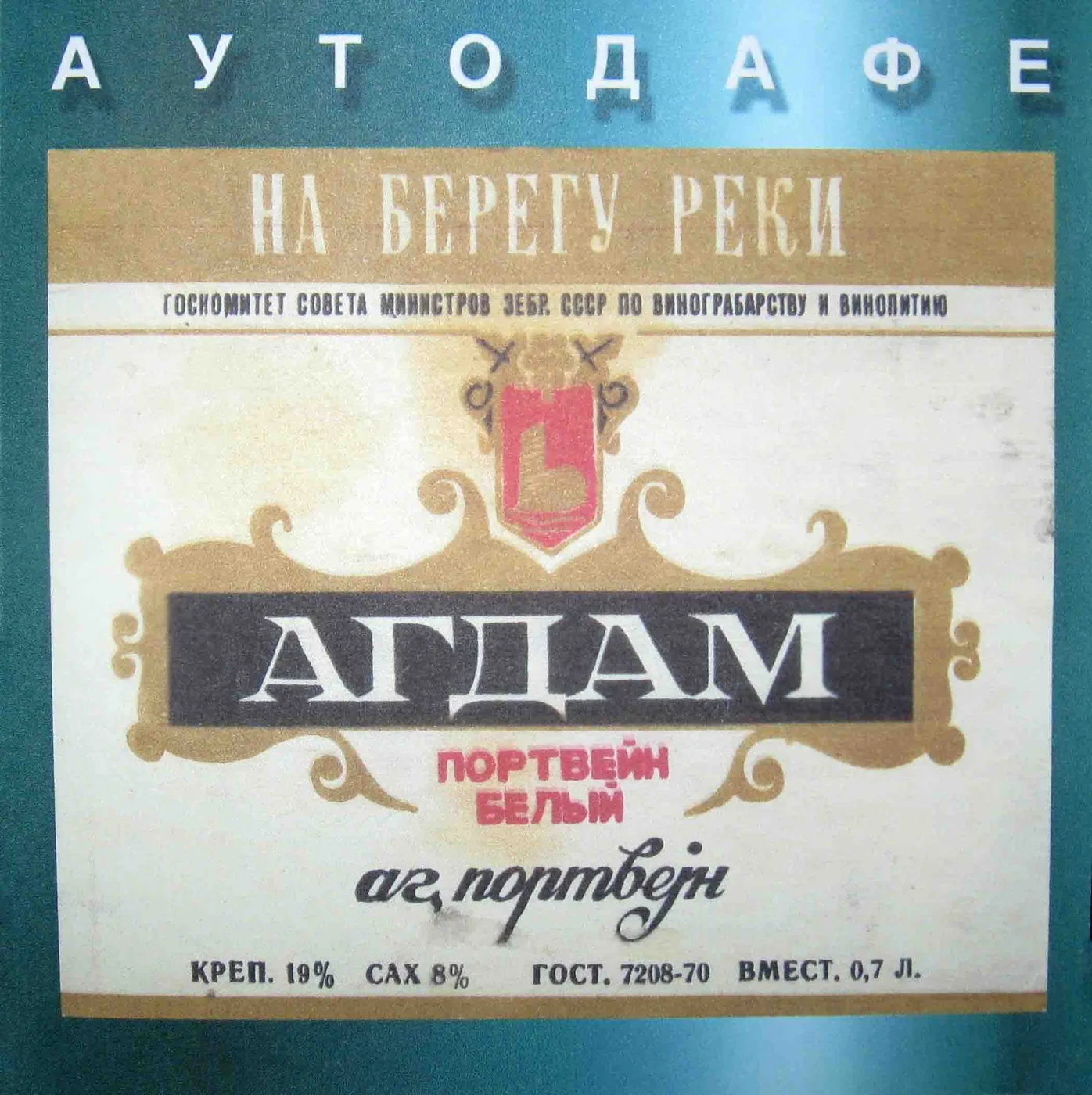
- He began his musical path in Arkhangelsk in 1978 with the band "Myortvye Ushi": two tape albums, "Bolshoe zhelezo" and "Made in Vaneeva". The obituary says that in 1980 the band became "Oblachny Kray"; the pages of this site — the Pomor Encyclopedia entry and the biographies — distribute the dates differently, so the year of the renaming is not specified here.
- In 1982, during Aquarium's tour of Arkhangelsk, Bogaev met Tropillo and the drummer Evgeny Guberman. Tropillo writes that "a branch of my studio appeared in Arkhangelsk", which existed until 1984.
- In Leningrad "Ublyuzhya dolya" was recorded at AnTrop; in the author's words, at the same time and on the same equipment as Aquarium's "Den Serebra", Viktor Tsoy's "Nachalnik Kamchatki" and Mike Naumenko's "Uezdny gorod N". The album came out, as stated, in November 1984.
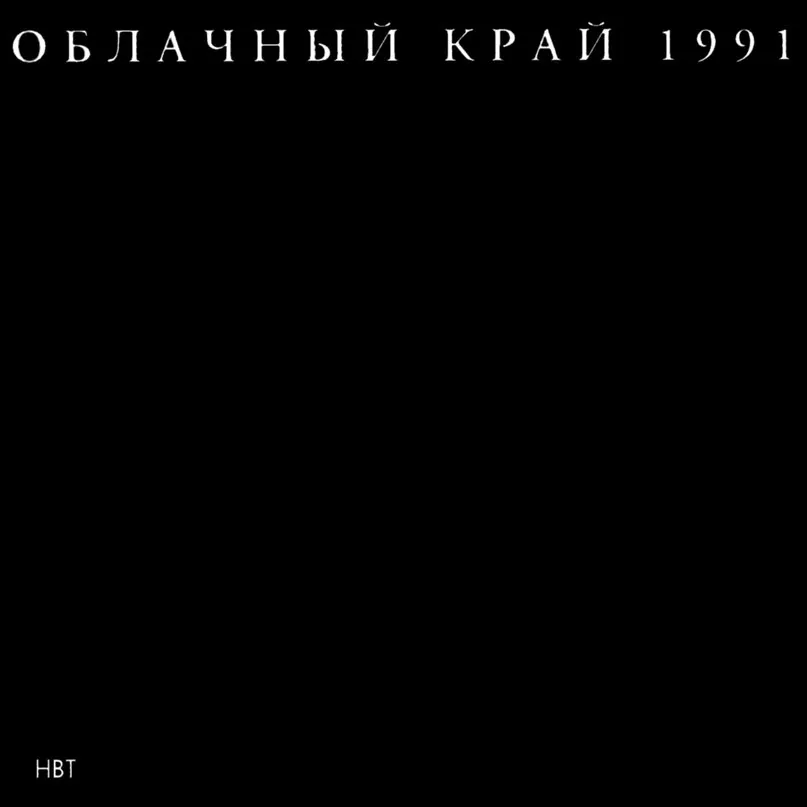
- Then follow "Stremya i lyudi" (1985), "Concert in Podolsk" (1987), "Svobody zahoteli" (1990; a vinyl version on Melodiya), "Oblachny Kray" (1991), "Lyubov k zhizni" (1999), "Patriot" (2003) and "Ygyatta", which, the author writes, came out "just a month ago" and became the last.
- He was buried in plot 18 of Bogoslovskoye Cemetery "fifty paces from the graves of Viktor Tsoy, Natalia Pivovarova and Rikoshet (Alexander Aksenov)" — at the petition of the Culture Committee, the Kurekhin Foundation and the author himself. The farewell was on 6 June 2011 at the morgue on Yekaterininsky Prospekt 10 (12:30–13:30), the burial the same day at 14:00. On the monument and the first anniversary see the article on the memorial evenings.
What is Tropillo's opinion here
- Bogaev "can undoubtedly be called the father of Russian hard rock": his work, Tropillo writes, influenced the formation of the whole Russian rock movement and underground.
- The band's sound, in the author's words, "was later adopted by Richard Kruspe (Rammstein), who heard the band's songs in the late 1980s in East Germany". The text gives no source for this claim; Tropillo's same opinion is in the Pomor Encyclopedia entry.
- "Ublyuzhya dolya" is called "the first real hard-rock work in Russian, which remains so to this day", and "Ygyatta" an album with "the most powerful hard-rock sound in the whole history of Russian sound recording", which "nobody will ever catch up with".
- Bogaev, Tropillo writes, was a friend of "practically all rock musicians of that time" — among those named: Konstantin Kinchev, Viktor Tsoy, Boris Grebenshchikov (designated a foreign agent in Russia), Mike Naumenko, Sergey Kurekhin, Fyodor Chistyakov, Natalia Pivovarova, Evgeny Guberman and the author himself.
The first responses
Under the posts about the death, in the first days of June 2011, friends and listeners wrote briefly: "May the earth rest lightly on you, friend" — Alexey Vishnya; "the man who made Arkhangelsk rock famous across the country"; "he knew how not to be afraid, was amazingly naive at times… but then it was amazing to realise the incredible depth in that naivety", and "right before the putsch 'Svobody zahoteli?' came out" — as one reader recalled. Later, on the anniversary, words of thanks appeared on the same page for "the ladybirds, Mikhail, the Komsomol member" — a reference to the band's songs.
Source: the text of the obituary signed by Andrey Tropillo (5 June 2011) and the comments under the posts on Sergey Bogaev's VKontakte page (4–6 June 2011, 2012); a retelling with short quotations.