1978 Early Period
Big Iron
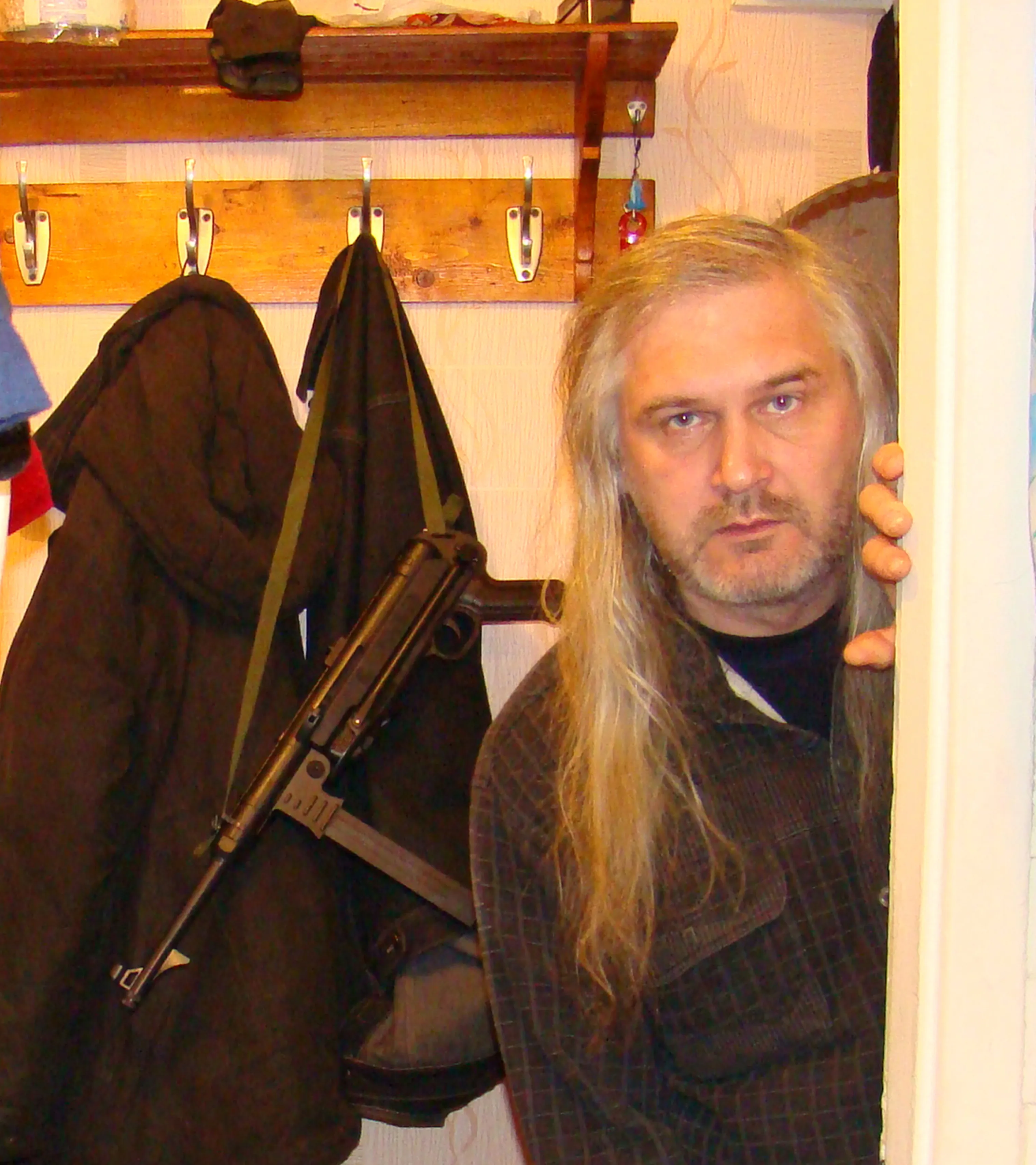
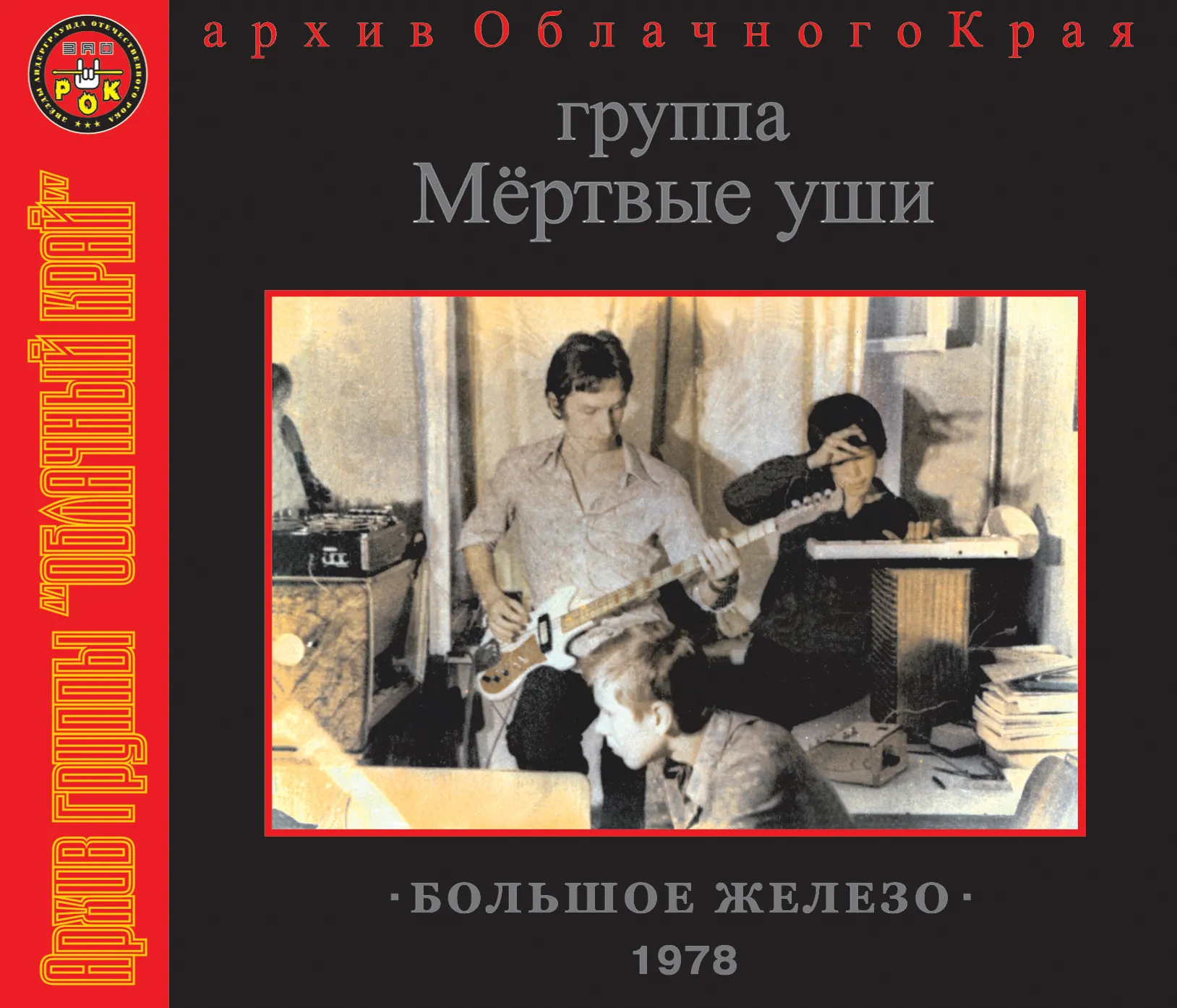
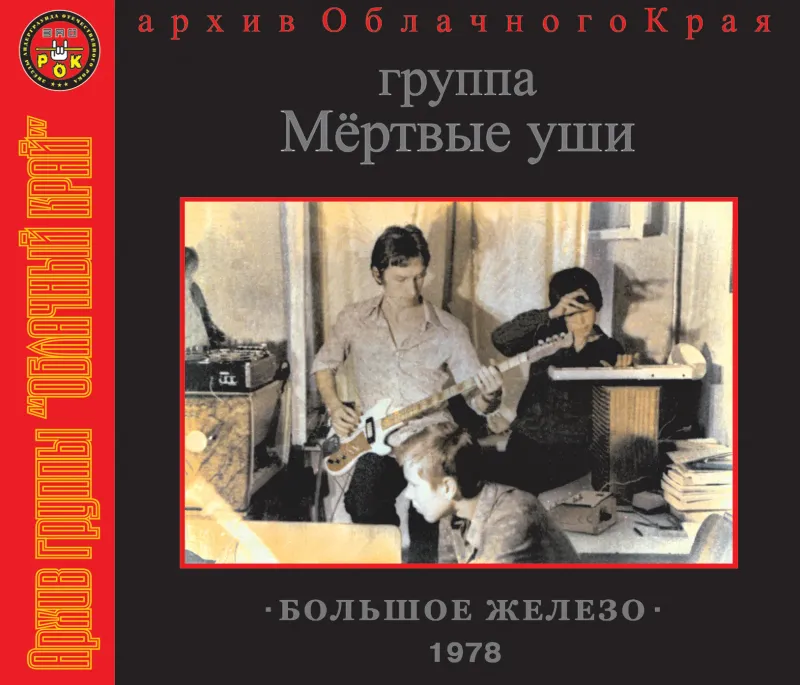
The band's first magnetic-tape album, recorded in 1978 under the name 'Dead Ears' — four years before the group took the name Oblachny Kray. The core lineup was already in place: Sergey Bogaev (guitar, vocals, bass), Oleg Rautkin (drums, vocals), Nikolay Lyskovsky (bass, organ), and his brother Igor (organ, vocals). They had almost no real instruments: a 'Ural' guitar, a homemade bass carved from a birch log, battery-powered children's 'Mickey' keyboards, Soviet 'Faemi' organs, a 12-ruble-50-kopeck acoustic guitar, and pioneer drums. From spare radio parts, Bogaev soldered the band's first fuzz pedal — it permanently defined their raw, overdriven signature sound. There was no access to Western music at the time; heavy rock simply came from within, from an internal need to sound different.
What was magnitizdat? How tape albums like this spread →
Album tracks
16/22 1:04:06
2
Amazon
3:00 3
Cowboy
1:37 5
Solo 1
0:51 7
Solo 2
0:56 12
Riding a Donkey
1:04 21
Impromptu
3:14 Album story
And that's how it all began! Around 1976, a friend of Sergei's named Alexander Sorokin gave him an acoustic guitar and showed him how to play a few riffs from Sergei's beloved "Deep Purple". The very young Sergei, along with his friends, having listened to recordings of Western rock bands and seen blurry photos re-photographed from posters and record sleeves of these groups, decided to form their own band to play "Wild Jazz & Rock-n-Roll".


The young prodigies built their guitars from scrap materials. As Sergei recounted, by sawing and carving one out of a birch log, and cutting another out of plywood, he hung 3 piano strings on it, and a bass guitar dubbed the "Superbass" was born. They used a keyboard called "Mickey" — battery-powered children's toy keys. Since there were serious issues with finding drums, they used literally anything that could produce a sound.
They utilized stacks of newspapers, tin cans, pot lids, and the pots themselves. The strangest thing is that despite everything, over a couple of years, something resembling actual music slowly began to take shape. After attending a rehearsal, an older friend told them, "You guys could use slightly better instruments; who knows, maybe something would come of it." This gave them hope. One of the tapes from that period with recordings of these rehearsals miraculously survived at Sergei's house on top of a wardrobe.
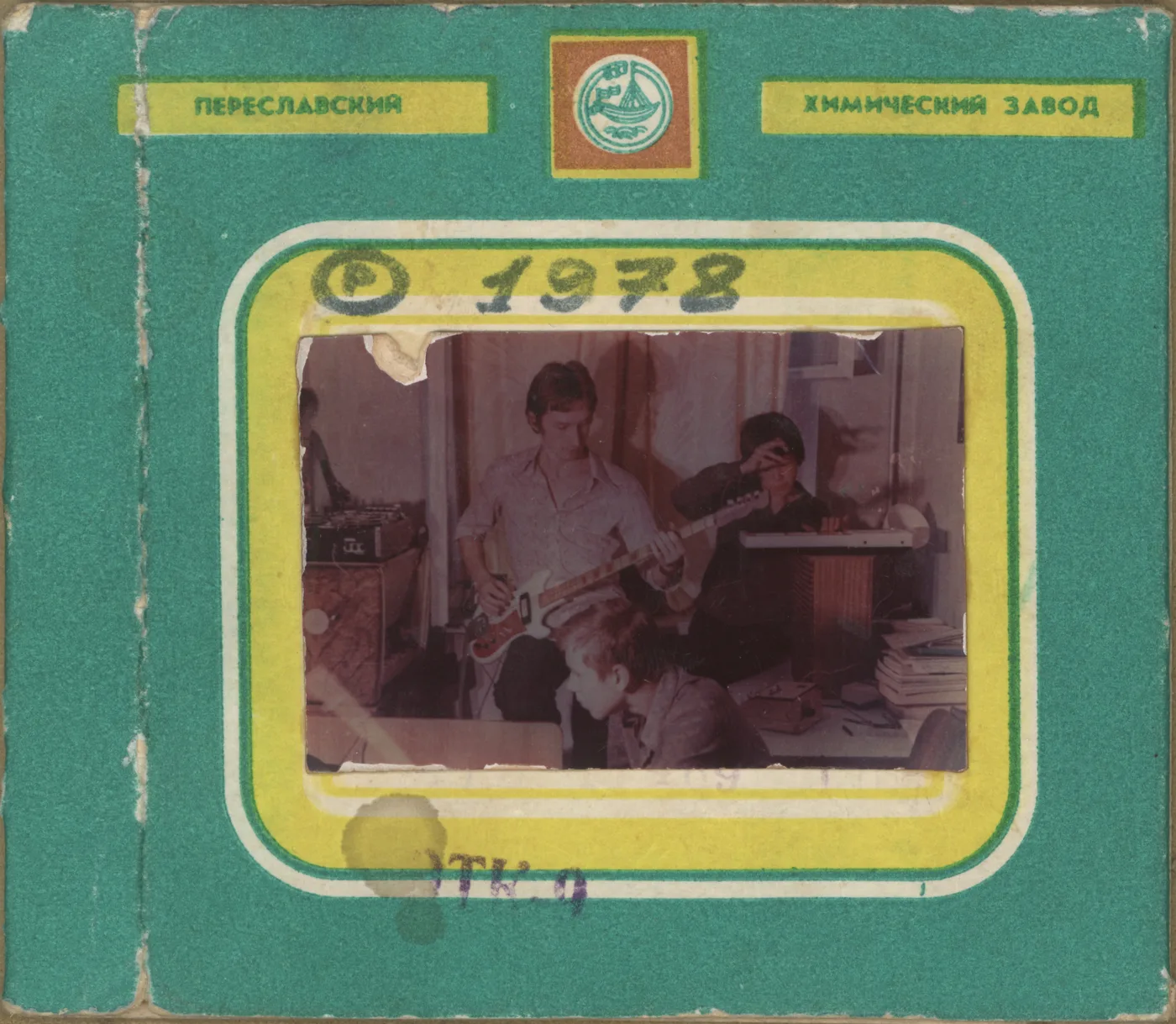
He brought it to me and said: "Igor, I found this tape here, look, there's a photo and it says 1978, I don't even know what's on it myself. Take a look, maybe there's something interesting." I listened to it with enormous interest. It turned out to contain rehearsal recordings, recorded at 9-speed on 4 tracks, in mono, naturally. It was a 270-meter Slavich brand tape.
It contained all sorts of childish pranks and chatter, the TV was playing in the background, and Blackmore's "Rainbow" from '75 was playing along. But there were also musical numbers. I sifted through it all and selected the musical tracks. I restored the recording; Sergei listened to it, had a good laugh, and said, "Alright, let it be, it's become trendy nowadays to drag all these archival recordings out into the light."
I asked him to give titles to the tracks that were unnamed on the tape. He told me: "Listen, Igor, I don't even remember what we called things back then. You name them yourself, and I'll look them over later, listen, and add my thoughts." We sorted it all out, and that's how this album came to be. The photo from the tape was restored for me by Sergei Supalov and Valentin Nikitin; after that, I did the design, and the disc was ready.
Sergei approved it, correcting a couple of titles and naming the lineup. In 2009, we released the CD and published it on the internet for the first time. I. Plenov
Credits
- Sound Engineer: Sergei Bogaev
Artwork and releases
Scans and photographs of the releases: covers, backs, inlays, discs and records. Click a picture to look closer.
- Back Back of the "Oblachny Kray Archive" edition (2009): 22 compositions; "limited run — specially for fans"
- Disc The disc: "Stars of the Soviet rock underground present the band Myortvye Ushi — Bolshoe zhelezo"
- Other A box of film from the Pereslavl chemical plant, 1978: the kind of tape the first album was recorded on · source
- Cassettes Cassettes of "Otdelenie VYKHOD" with Oblachny Kray albums (a photo from the community) · source
- Cassettes Cassettes with Oblachny Kray albums (a photo from the community) · source
Personnel
Musicians who performed on this album