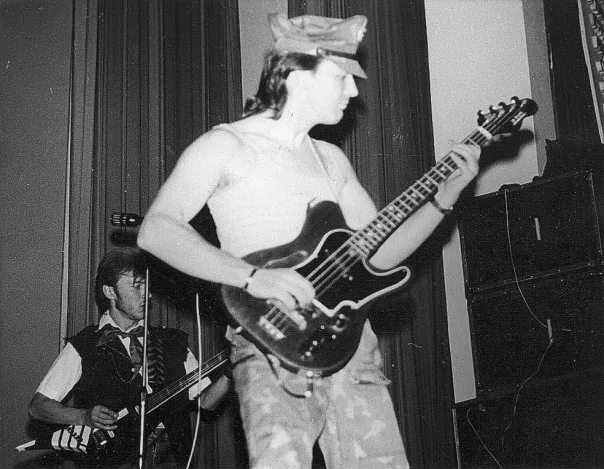
Igor Plenov was a Petersburg sound engineer, who in 2008 signed himself "the band's manager", and the man who signed many reissues of Oblachny Kray with the words "restoration and mastering". He died on 29 May 2017. The community materials hold a fragment of a long interview with him: it is conducted by Katerina Nikitina and titled "The whisper must be heard". Where and when the interview came out is not given in our copy, and the text breaks off in mid-sentence — everything it contains is retold below.

"Restoration of sound recordings"
Asked what his craft is called, Plenov says it is hard to name exactly and settles on "restoration of sound recordings". These are recordings made many years ago not in studios but on household tape recorders. The tape in the Soviet Union, he says, was "of such lousy quality that you can hardly imagine it"; such recordings survived "horribly", each is damaged in its own way, so each has to be worked on separately: dropouts, clicks, squeaks, creased tape. Sometimes pieces are erased, and then the voice has to be "pulled in by fragments almost letter by letter"; he has also had to restore musical fragments of twenty or thirty seconds. Both the sound and the phonogram itself have to be restored.
"The effect of full presence"
He calls work with live recordings especially hard. The aim is to bring the recording to a state "as if you were at a live concert": "close your eyes and it is as if you are sitting at a concert". His approach to studio recordings is the same: he wants the sound to be powerful, "not as in a matchbox" but as in a big hall.
The journalist asks: is that always needed? Plenov answers with a question and an example: with a jazz-rock or avant-garde band that has many instruments — brass, violins — you must hear them all; and if a person whispers into the microphone, you hear it. But on studio recordings "if a person whispers, you will only hear it in headphones". He does not say it must be loud: "this whisper must be heard". Like Pink Floyd: quiet rustles against a background of huge, heavy, loud music — and everything is audible. "That is how it should be in any recording."
What a "dropout" is
Asked to explain the term "dropout", Plenov says it covers several things. A sound is missing in one channel; a piece of sound is missing altogether; the sound "floats". Or the head got dirty during re-recording and, say, the cymbals vanished — that is also a kind of dropout. These have to be "pulled up", something "drawn in from the same recording", as it works out.
Since the recording is already mixed, the work goes by frequencies, but there are subtleties. If a voice is recorded badly, it has to be "pulled out against the general background": he makes a separate file in which he isolates one voice, paying no attention to the other instruments, and then lays it over the main recording — "it is almost like working channel by channel". He does the same with the cymbals, the bass, "with anything".
Why Oblachny Kray
Asked when and why he took this up, Plenov says: "about five years ago", prompted by his interest in the work of Oblachny Kray, a band he had "always loved very much and listened to with great pleasure". But the quality of the recordings "categorically did not satisfy" him: you hear that the band's potential is huge… — the fragment ends there.
What else passed through his hands
Under many releases in the publications of the community "Rok-Kolybel SPb" (2015) the same signature stands. Here is what is named there directly; the years are as given in the publications themselves.
- Oblachny Kray. 2008: "Svobody zakhoteli?", "Kh-Ya Samodeyatelnost" and "Vershina idiotizma" (restoration of the recording and mastering; the artwork was restored by Sergey Supalov). 2009: "Tayny lesa", "Selkhozrok", "Velikaya Garmoniya", "1991" and Myortvye Ushi's "Made in Vaneeva 12–88"; the recording of the Podolsk rock festival (1987) — restoration of the recording together with Sergey Supalov, mastering by Plenov. 2010: the concert at the MEI palace of culture (1987). 2013: the compilation 1981–1982.
- Other Leningrad and Petersburg bands. "Energiya" — "Between non-being and eternity" and "CrazylandBand — Live — 1990" (recorded in 1990; 2009); "Balerina" (recorded in 1986; 2013); "Vzroslye lyudi" — "Skorost" (recorded in 1993; 2013); Kino "45" (1982): restoration of the cover, digitising of the recording and mastering, 2014.
- Concerts of the Leningrad Rock Club. Recordings from the club's opening on 7 March 1981 — Zerkalo, Mify, Rossiyane, Piknik (digitising, restoration of the recording and mastering); E.D.S. ("Electro-driving force") — the concert of 21 November 1986; Zerkalo — "Pamyat" (2003, mastering).
- Also: early recordings of the band Zemlyane and PsiFuckTor — "Kto-to vnutri" (remastering).
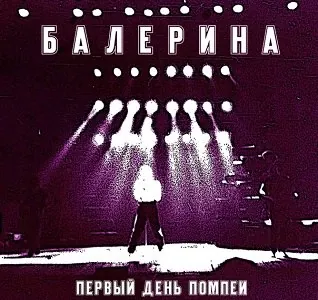
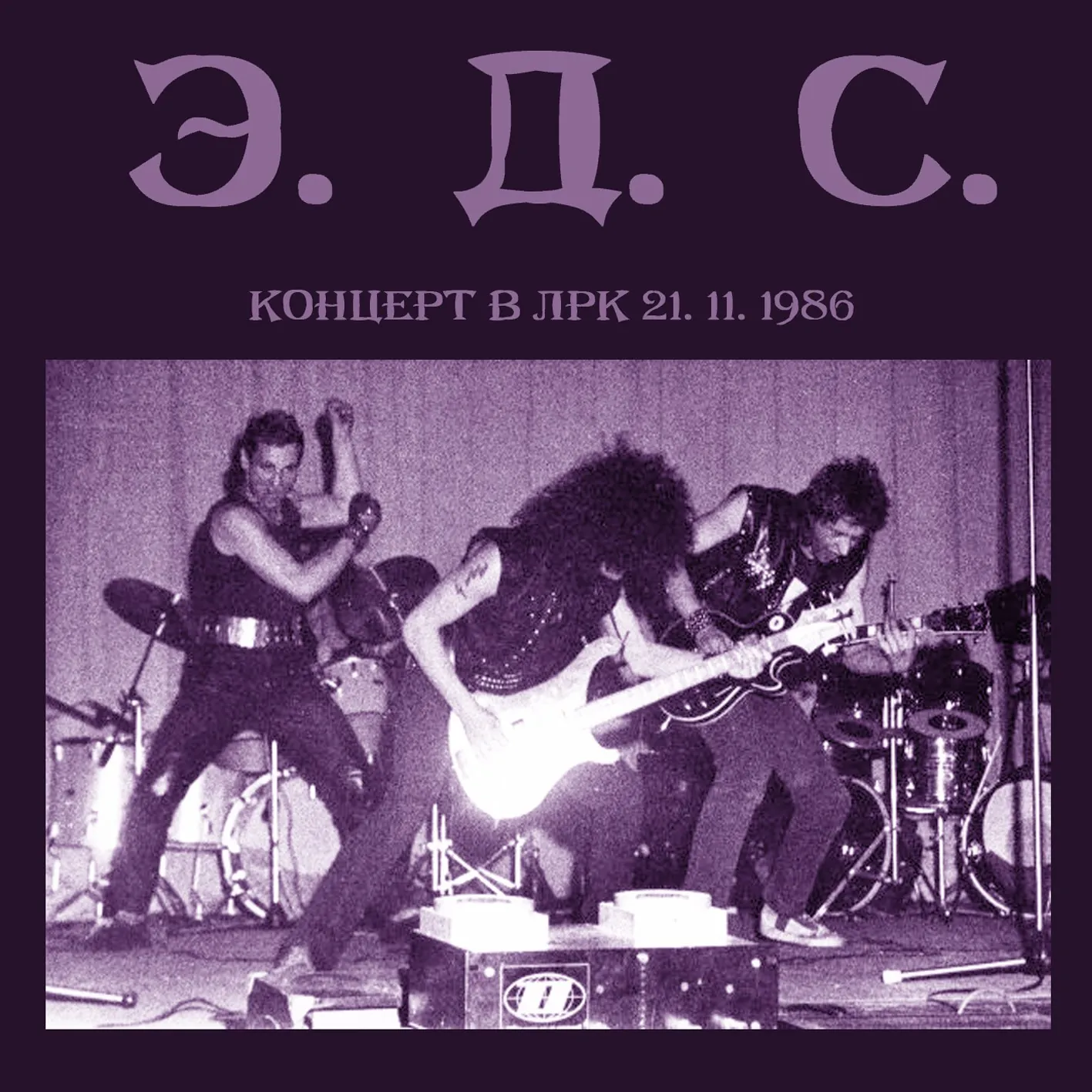
This is not a complete list and not an assessment of the work: only what is named in the captions of the publications. But it shows that Oblachny Kray was not Plenov's only concern: going by these captions, in 2008–2014 he brought back the sound of very different recordings that would otherwise have stayed almost inaudible.
What other sources say
Many of the 2008–2010 editions carry his signature: the backs of the discs name the restoration and mastering by Igor Plenov (see the "Artwork and releases" sections of the album pages, for example "Ublyuzhya dolya" or "Kh-Ya Samodeyatelnost"). About his work — in the story of the Plen Off GR Metal M project; and in 2008 he answered fans' questions himself in the guestbook archive.
Where this comes from: a fragment of Katerina Nikitina's interview with Igor Plenov ("The whisper must be heard") from the materials of the VKontakte community "Oblachny Kray"; a retelling with short quotations. The date and the publication are not given.