A listener's opinion essay republished by the community "Podtankovskaya Gvardiya" (VKontakte) on 28 February 2020, signed "© Chelovek napodobie vetra" ("A man like the wind") with the mark "Soundrussia". The full original text is in Russian: read it in Russian. Below is an English summary with short quotations.
The essay begins with a conversation the author had in 2015 with a well-known Petersburg rock journalist, who said that Russia has no show business in the healthy sense: musicians create, producers polish their work, the media introduce new acts, and a national hit parade lets everyone compete. The author says Russia never had that, so instead he wants to talk about two bands he considers truly the best: Urfin Dzhyus from Yekaterinburg and Oblachny Kray from Arkhangelsk.
Both bands, he writes, had "absolute freedom of creativity" and did not hide behind Aesopian language. While the authorities picked "brave progressive" rock bands as heralds of perestroika, he argues, subtler and more ironic bands, loved by a few, were left aside.
On Oblachny Kray
- Many unsophisticated listeners learned about the band from the article "Severnaya legenda" in Moskovsky Komsomolets in May 1987, but connoisseurs knew it from tape albums.
- He explains the band's love of freedom, among other things, by the fact that serfdom never existed in the Russian North: "the people were always free".
- He describes the music as talented imitation, "without any irony", and a reinterpretation of the best images of 1970s Western hard rock with the band's own intonations.
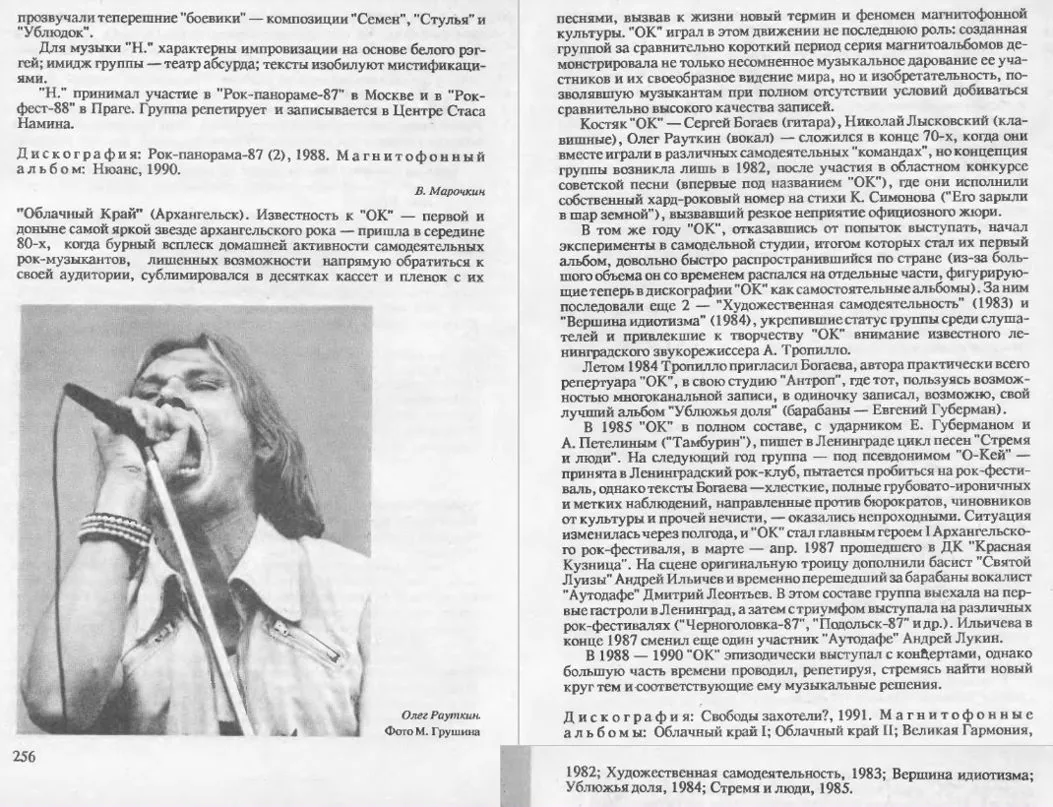
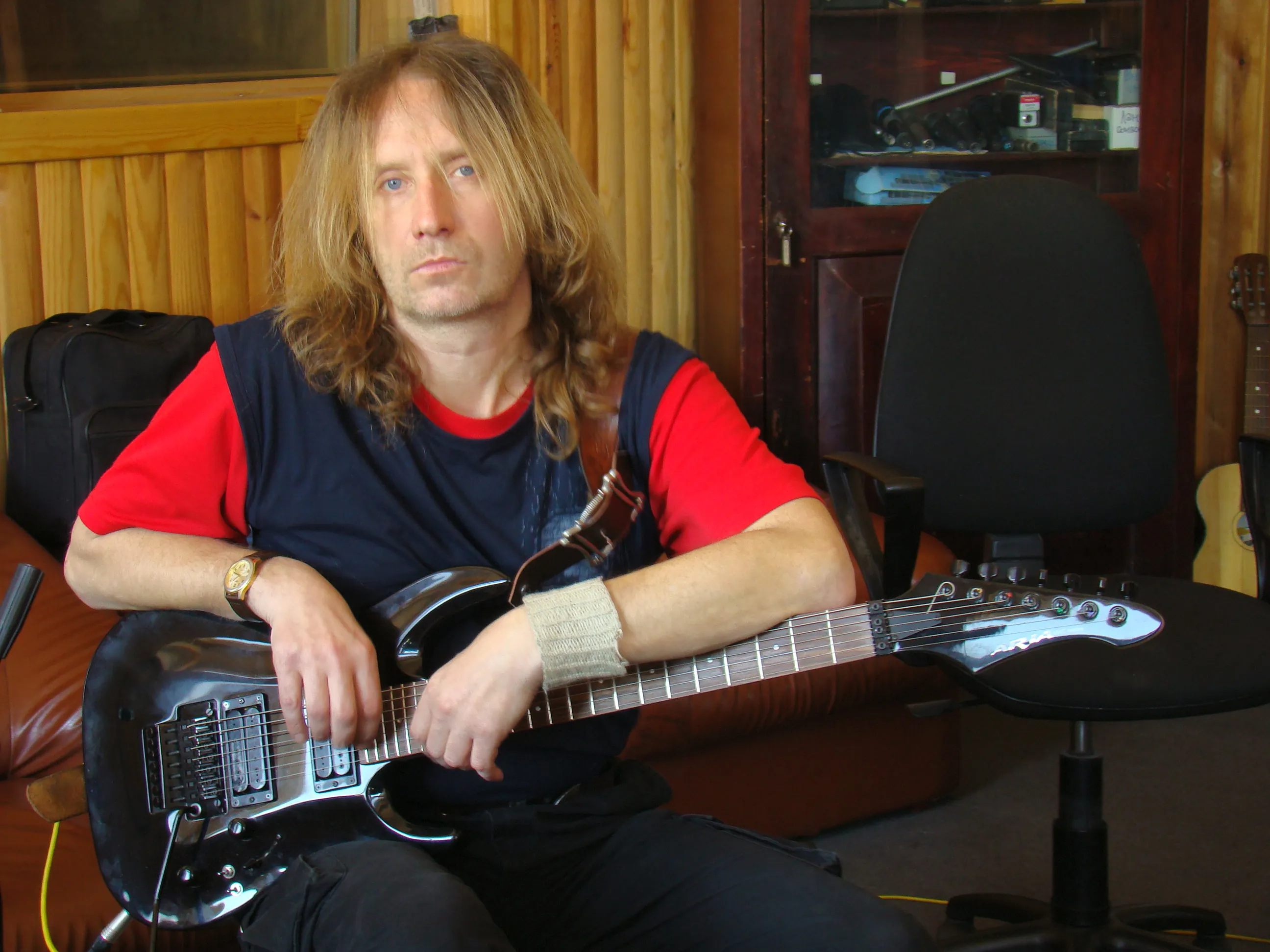
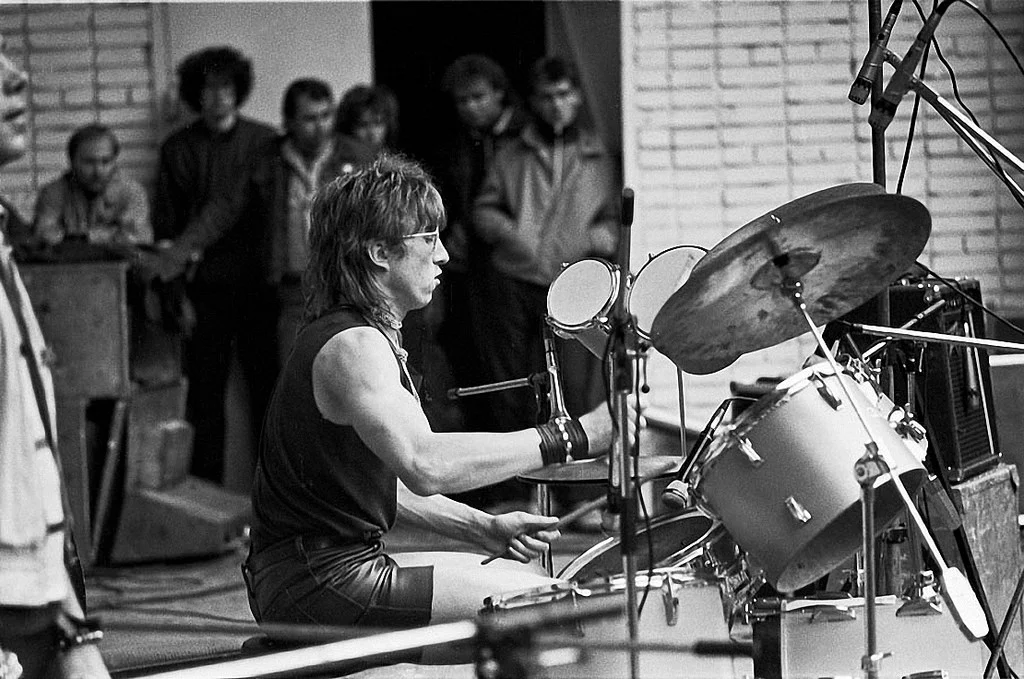
- The "golden" line-up that first played in Petersburg and then performed at the festivals in Chernogolovka and Podolsk (1987): Sergey Bogaev (guitar), Nikolai Lyskovsky (keyboards), Oleg Rautkin (vocals), Andrey Ilyichev (bass), Dmitry Leontiev (drums). The best-known albums are "Ublyuzhya dolya" (1984) and "Stremya i lyudi" (1985).
On Urfin Dzhyus and the "great deception"
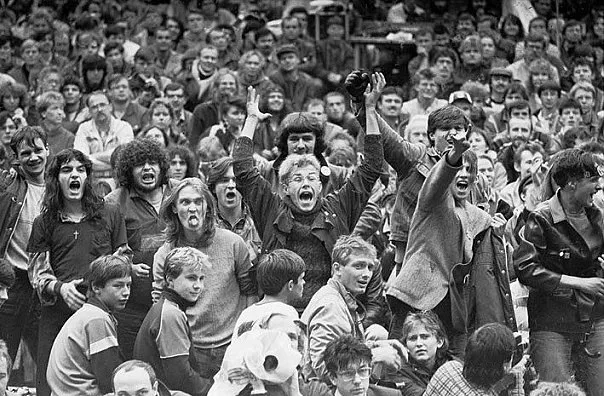
The author recalls Urfin Dzhyus (formed in 1980 in Sverdlovsk after the break-up of Sonans; leader and composer Alexander Pantykin, lyrics by Ilya Kormiltsev) and its albums of 1981, 1982, 1984 and 1996, and the harassment of such bands in the central press from 1984. His "great deception of Russian rock" is that those "at the top" once again used rock musicians and their fans for their own ends: the authorities got new youth "anthems", the stars a huge audience, the audience a view of its idols from the top tier of a stadium; meanwhile, he says, many bands as smart and talented stayed out of the television.
Source: "BOLSHOY OBMAN RUSSKOGO ROKA", community "Podtankovskaya Gvardiya" (VKontakte), 28.02.2020; © Chelovek napodobie vetra, Soundrussia. If you are the author and wish to comment or object, write to admin@okrock.ru. See also Oblachny Kray in the rock encyclopedias.