Magnitizdat: how Soviet rock lived on tape
A short guide to the unofficial tape culture of the USSR, told through the recordings of one Arkhangelsk band.
Magnitizdat (from magnitofon, "tape recorder", and izdat, "publishing") was the Soviet practice of recording music on magnetic tape and passing copies from hand to hand outside the official record industry. It is the audio counterpart of samizdat, the self-published typescript.
Why it existed
Officially released records in the USSR came from a single state label, Melodiya, and everything on them passed censorship. Bands that played hard rock, wrote satirical lyrics or simply had no access to a studio had no route to a listener except the tape. From the late 1950s and 1960s the songs of bards such as Vladimir Vysotsky and Alexander Galich circulated this way; by the late 1970s and the 1980s so did rock albums.
How a tape travelled
A band recorded an album at home or in a borrowed room. A friend copied it onto his own tape recorder, then another friend copied that copy, and so on, city to city. Every generation of copying added hiss and lost detail, so an album could reach a listener in another region sounding far rougher than it was recorded. Titles, track order and even the names of bands often survived only by word of mouth.
A case study: Oblachny Kray
Oblachny Kray began in Arkhangelsk in 1978 under the name "Dead Ears". According to the band's history, its first recordings were made on broken Soviet tape recorders with primitive microphones and home-made effects, including a fuzz pedal that Sergey Bogaev soldered himself. Two tape albums from 1978 and 1980 spread across the country through magnitizdat. The band also has a chapter in Alexander Kushnir's book "100 magnitalbums of Soviet rock. 1977–1991" (Agraf, 1999, ISBN 5-7784-0251-1) — see the press page.
Exhibits: three recordings
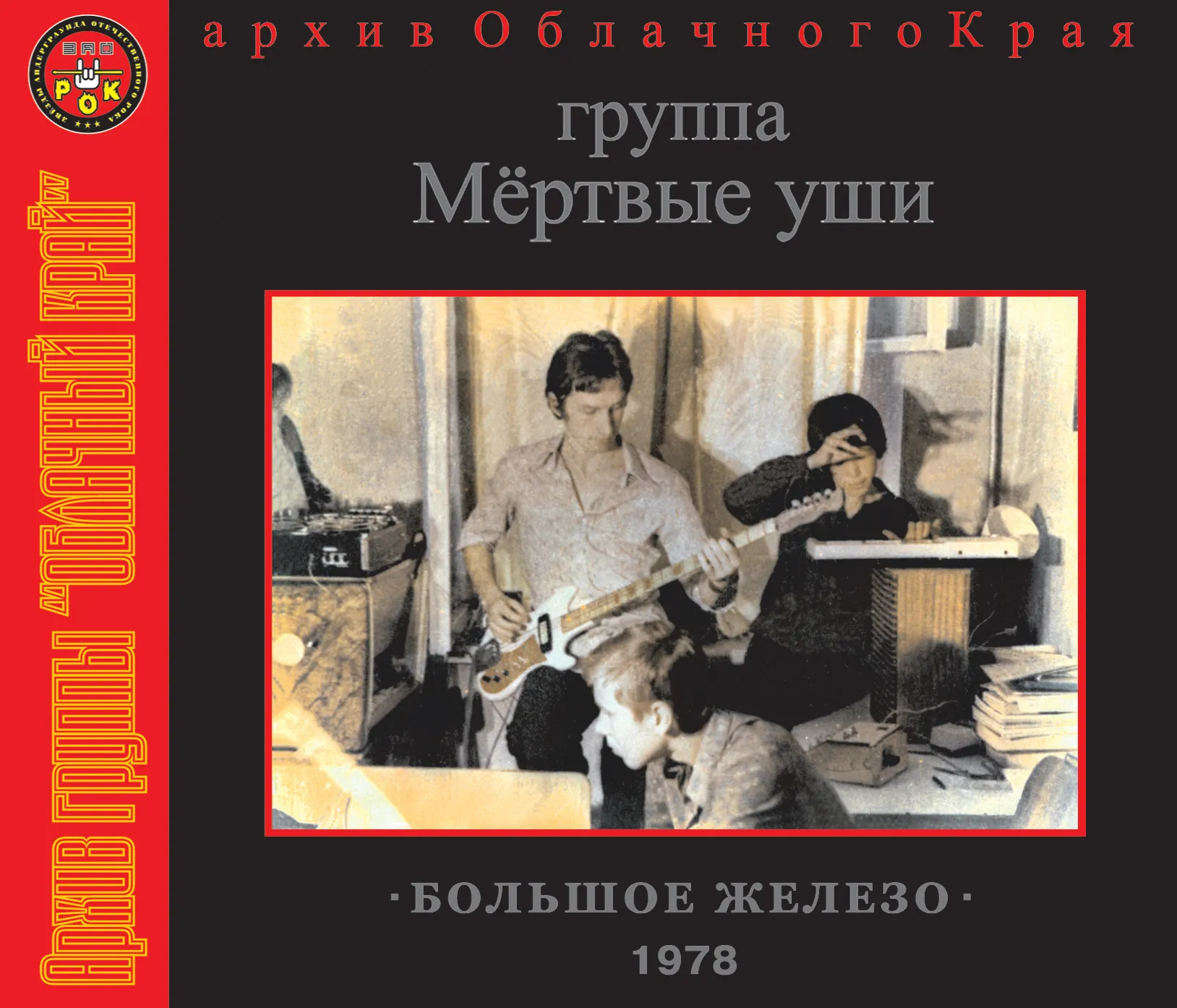
Big Iron
1978. The first recording, made under the name "Dead Ears" with a "Ural" guitar, a home-made bass and children's keyboards.
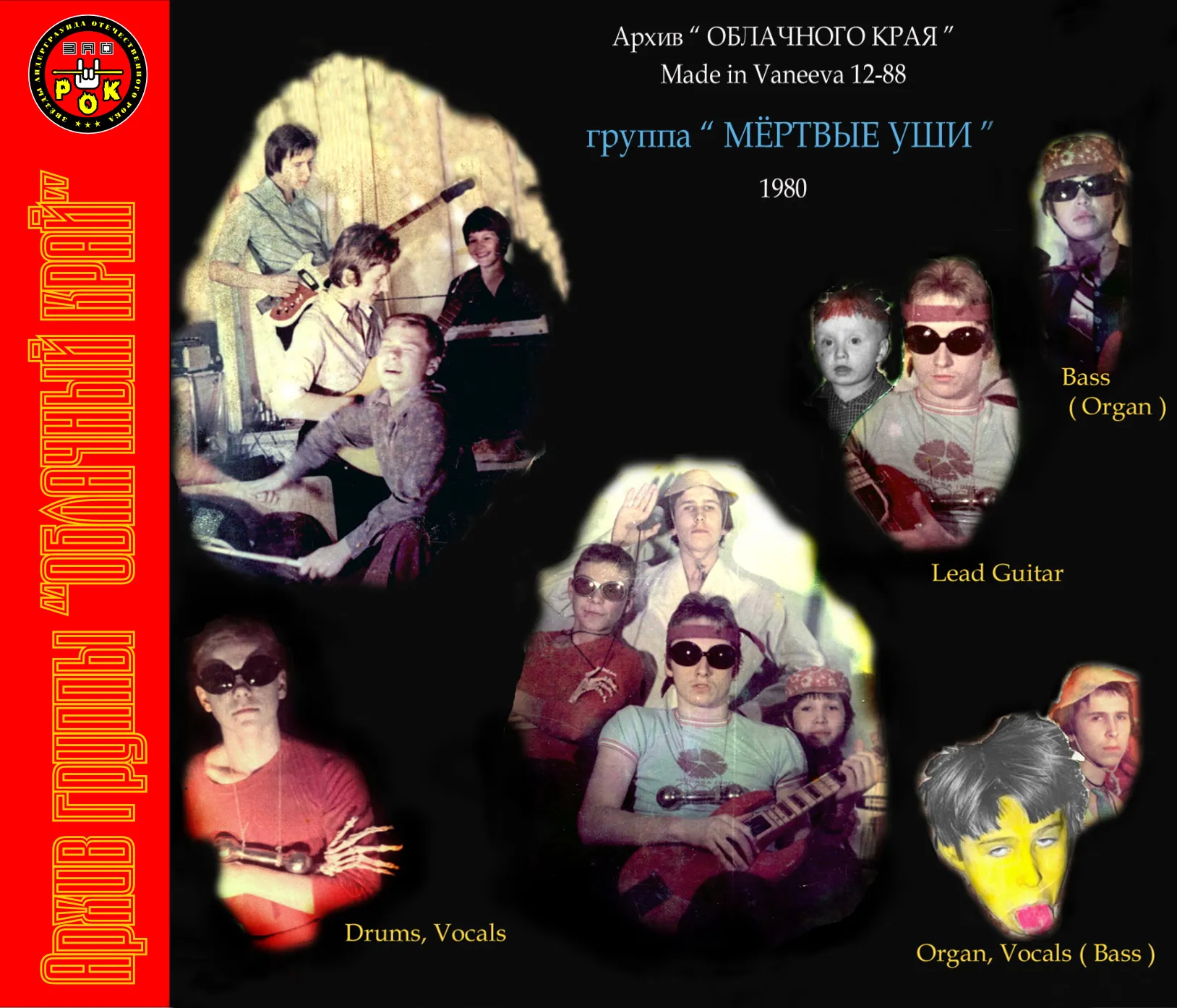
Made in Vaneeva 12-88
1980. Named after the address of Bogaev's flat-studio on Vaneeva Street in Arkhangelsk; recorded on broken tape recorders and circulated as tapes.
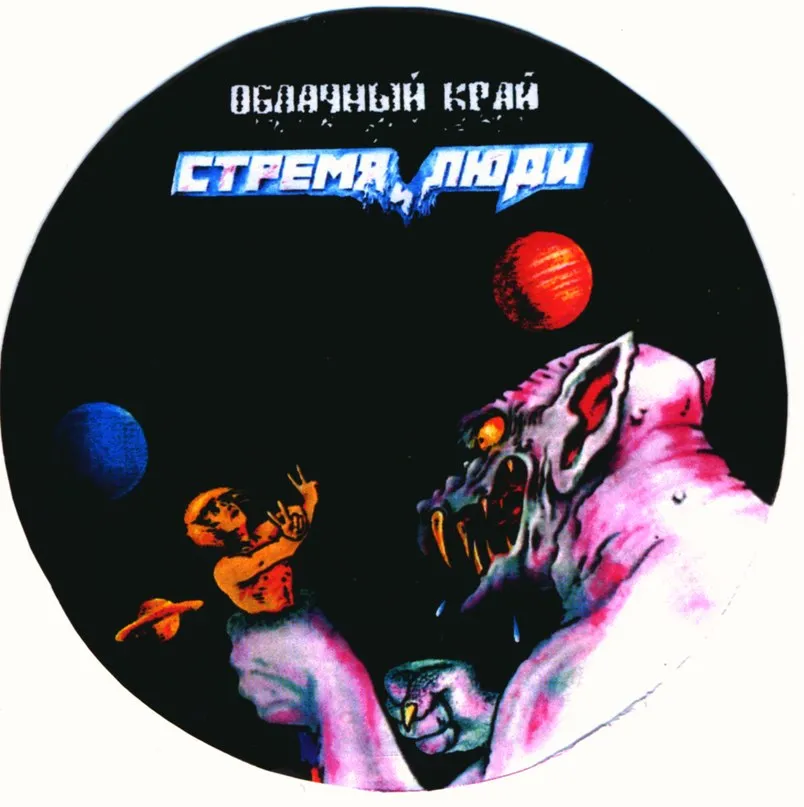
Stirrup and People
1985. Has a dedicated chapter in Kushnir's book; first spread on tape, and officially released only in 1996.
From tape to vinyl
The band's album "Wanted Freedom?" ("Свободы захотели"), recorded in 1990, was issued on vinyl by Melodiya in 1991 (catalogue C60 31439 003) and reviewed in Moskovsky Komsomolets on March 6, 1992 — a step from the underground tape culture into the official record industry.